Why Vote Yes on I-645
Earlier this year, state Lawmakers passed an income tax that can be expanded to middle and working-class families. Now that lawmakers can expand the tax, do you think they will?

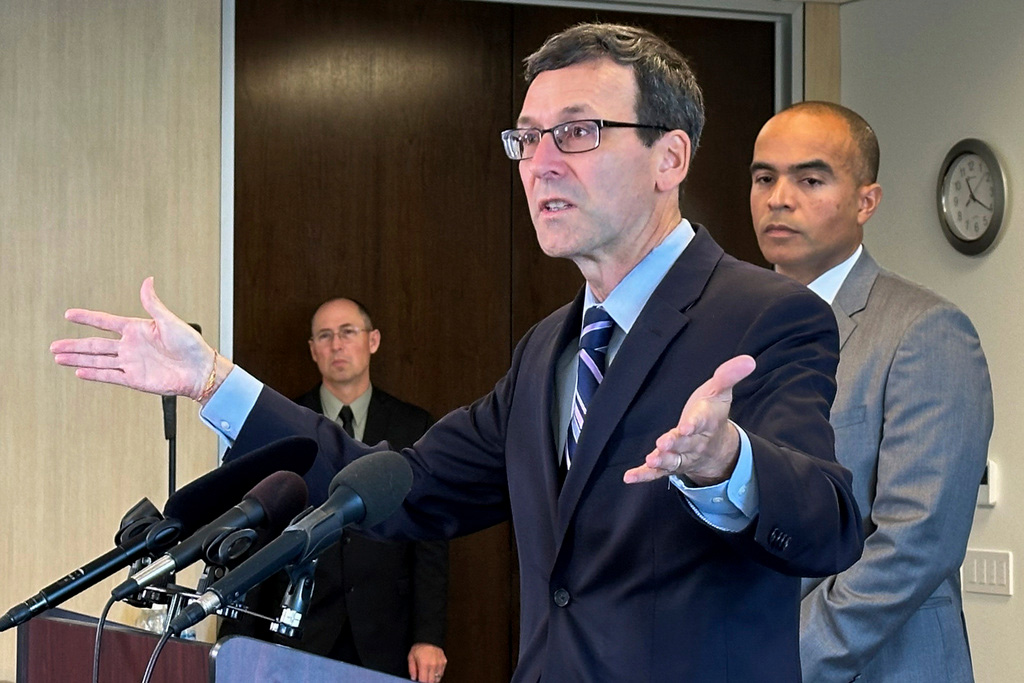
Source: AP images
It’s an income tax
Calling it anything other than an income tax is a branding choice, not a legal guarantee. The bill taxes “the receipt of Washington taxable income,” and lawmakers rejected every amendment that would have let voters lock the $1 million threshold in place, including one tied to a constitutional amendment. The threshold is already slipping, even without lawmakers touching it. In one year, the Department of Revenue revised its estimate of who pays this tax from 21,000 households to roughly 25,000, simply because incomes grew faster than the threshold. Washington has lived this before: the capital gains tax passed in 2021 was sold as narrow, targeting only investment profits over $250,000. Five years later, lawmakers used that same argument to pass a full income tax.
I-645 repeals this tax before it starts, so we never find out how far Olympia was willing to go.
It’s a Retirement Tax
One sentence, added to eleven separate pension laws, quietly removed protections dating back to 1947 for public employee retirement benefits. Teachers, firefighters, and police officers lost that protection at every income level, without notice or debate. These are not the wealthy this tax was sold as targeting, yet their retirement benefits are now inside the tax base. If this tax were truly only intended for millionaires, there was no reason to touch pension protections at all. Social Security is also at risk. Washington’s new income tax has zero named protections for social security. None. The tax is coming for middle- and working-class families.
I-645 restores the pension protections Olympia erased and keeps Social Security off the table.


It’s a Charity Tax
Washington’s charitable giving culture is at risk under the new income tax. The result: smaller, local charities lose donor funding, fewer kids are rescued from fentanyl, fewer battered women have a safe shelter, and hundreds of millions of dollars in uncompensated health care and community health programs are at risk. Without philanthropy dollars, programs will be cut, and costs for everyone else go up. The law caps charitable deductions at $100,000, discouraging exactly the transformational gifts nonprofits depend on most. Its domicile rules compound the problem: continued giving to Washington charities can work against someone trying to prove they’ve moved away, so advisors now tell departing donors the safest move is to cut off giving entirely.
I-645 repeals the charity tax and makes sure our neighbors have access to the services they need.
Bottom Line: Charities can’t provide critical services for our communities, and public sector workers face losing the retirement savings they spent careers earning.
Meanwhile, Olympia wants more, even though it can’t manage what it already has. Former Governor Christine Gregoire put it plainly: “We have a spending problem.” Despite years of rising spending, homelessness hasn’t gone down, schools haven’t improved, and traffic hasn’t eased. Former Governor Gary Locke agreed: there’s “no budget discipline” in Olympia. This is a tax coming for everyone.
Vote YES on I-645
to repeal this tax before it reaches every paycheck, every pension, and every charity in Washington.
Two Democratic Governors Are Sounding The Alarm
Your Questions, ANSWERED
If the tax only applies to income over $1 million, why not just call it a tax on high earners?
Calling it anything other than an income tax is a branding choice, not a legal guarantee. The bill taxes “Washington taxable income,” and lawmakers rejected amendments that would have locked in the $1 million threshold. That threshold is already capturing more taxpayers: the state’s estimate rose from 21,000 to roughly 25,000 households in one year. And Washington has seen this before: the capital gains tax began with a $250,000 threshold before lawmakers expanded income taxation five years later.
Is I-645 just a way to give wealthy Washingtonians a tax break?
No. Our campaign is focused on giving every Washingtonian a voice in their own tax future, not protecting anyone from paying today. It’s about making sure Olympia can’t unilaterally expand this tax without a vote of the people. Our contributors are a matter of public record.
Does this tax really affect public sector retirement benefits, not just high earners?
Yes. One sentence, added to eleven pension statutes, quietly removed decades of tax protection for public employee retirement benefits. Teachers, firefighters, and police officers lost that protection at every income level, without notice or debate. If this tax were truly limited to high earners, there was no reason to touch their pensions at all.
Would repealing this tax cut funding for schools, healthcare, or other public services?
No. This tax doesn’t generate revenue until 2029, so repealing it has no impact on the current budget. I-645 protects the Working Families Tax Credit, small-business B&O relief, and exemptions for hygiene products, diapers, and OTC drugs.
Does this tax affect charitable giving?
Yes. The law caps charitable deductions at $100,000, potentially discouraging the large gifts many nonprofits rely on. Its domicile rules create another concern: continued giving to Washington charities could complicate efforts to establish residency elsewhere, giving departing donors an incentive to stop giving. The result could mean fewer resources for shelters, health care, addiction services and other community programs – forcing nonprofits to cut services and potentially shifting costs elsewhere.
Doesn’t Washington State need this revenue?
Former Governors Christine Gregoire and Gary Locke have both warned that Olympia’s problem is spending discipline, not revenue. The state budget has grown from $32 billion to $82 billion since Gregoire left office, while reserves have fallen to the lowest level in the country. Yet homelessness remains high, schools are struggling, charities face cuts, and public workers’ retirement savings are at risk. As Gregoire put it, “We have a spending problem.” Locke agreed: there is “no budget discipline” in Olympia. Before raising taxes again, lawmakers should manage what they already have.
The Governor has promised to veto any expansion. Why worry?
Many promises have been made and broken by Olympia. They promised affordability, yet last year passed the largest tax increase in state history. Budget writers have drained the state’s reserve funds to the lowest level in the country, jeopardizing the state’s credit rating with two national ratings agencies. These actions are already having a real impact on Washington businesses – layoffs, relocations, and revenue drops that are forcing Washington’s small businesses to cancel projects and cut jobs. Washington’s unemployment is now tied for highest in the nation. This income tax is just the latest in a series of broken promises, and there’s nothing in current law that permanently prevents a future Legislature or governor from changing course.
Latest Posts


VOTE YES ON 645.
Repeal the Income Tax.
Ballots arrive in mid-October. Pledge now and we’ll remind you when your ballot arrives.